Summary & Recommendations
Summary of Findings
Our work with regional project participants and its outcomes, has delivered on our promise to develop local maps of tangible cultural assets and document endangered creative practices.
Thanks to the efforts of our participants, we are also able to highlight the significant risks and challenges facing Myanmar's creative assets today. Our documentation criteria and the main concerns of our participants, prioritized assets deemed endangered by local communities.

One of the most fascinating discoveries from our mapping process is the profound interconnectedness of creative assets. Local creative wisdom is not isolated; it inspires and connects with that of other regions. This means that assets are often linked by style, creative stories, or other integrated factors and backgrounds.
Our work has revealed that these connections are crucial to understanding a region's cultural landscape. By mapping not just the assets themselves but also the relationships between them, we can see a more complete picture of how culture flows and evolves across communities. This deeper understanding is essential for appreciating the rich, shared heritage that exists between different regions.
Risks and Challenges
The documentation process, its results and the assets themselves were all impacted by factors such as March 2025 Sagaing earthquake and political conflicts in all three regions. Only a minority of the assets were assessed as being in good condition.
Risks and challenges to the creative assets vary in the degree of significance, but for all assets they include:
-
Among our most important discoveries, is that many creative assets in all three regions lack proper documentation to validate their background and history. This issue is particularly acute for assets that have ceased to be produced, like the Eaindawyar Htee.
-
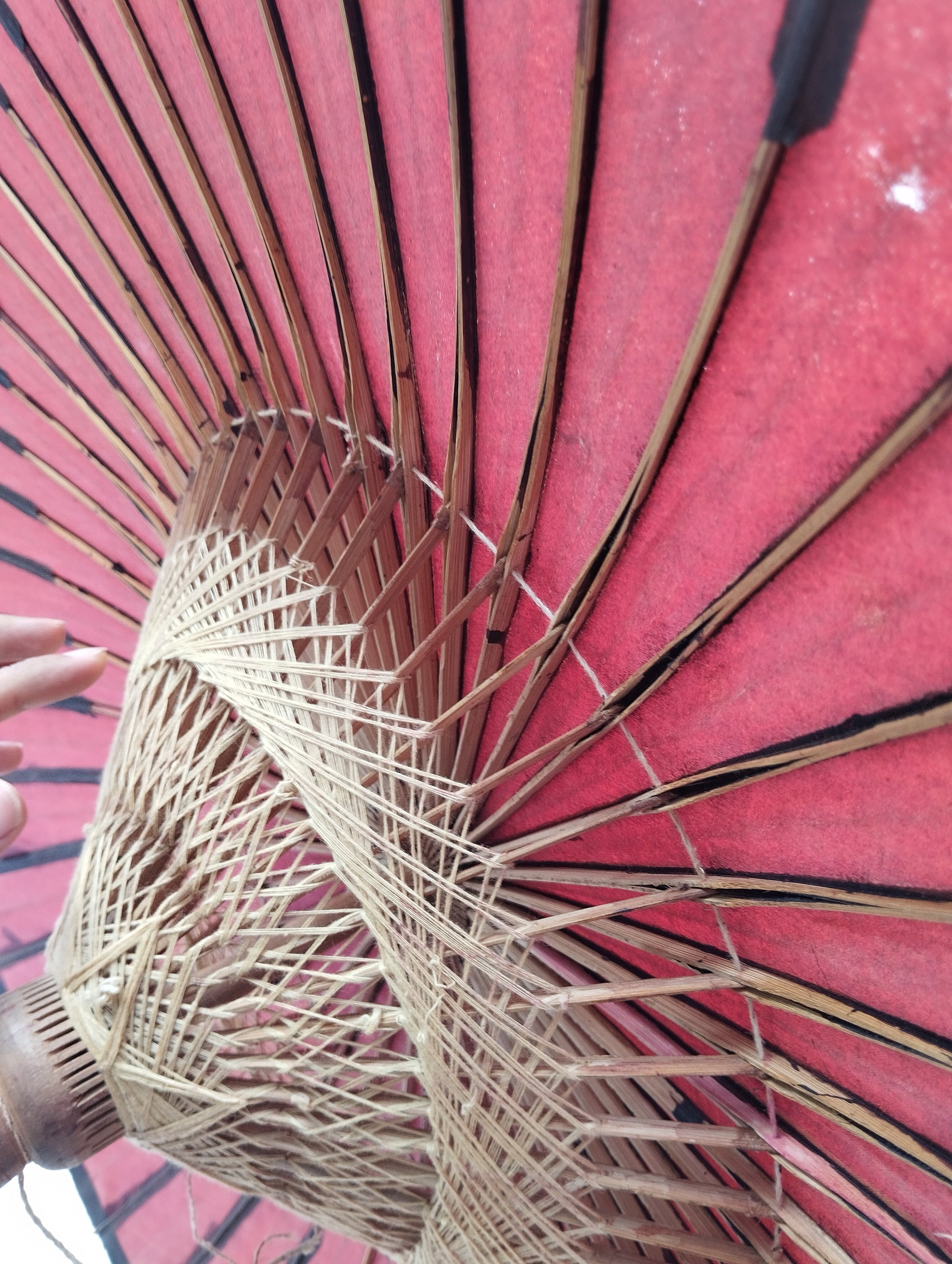
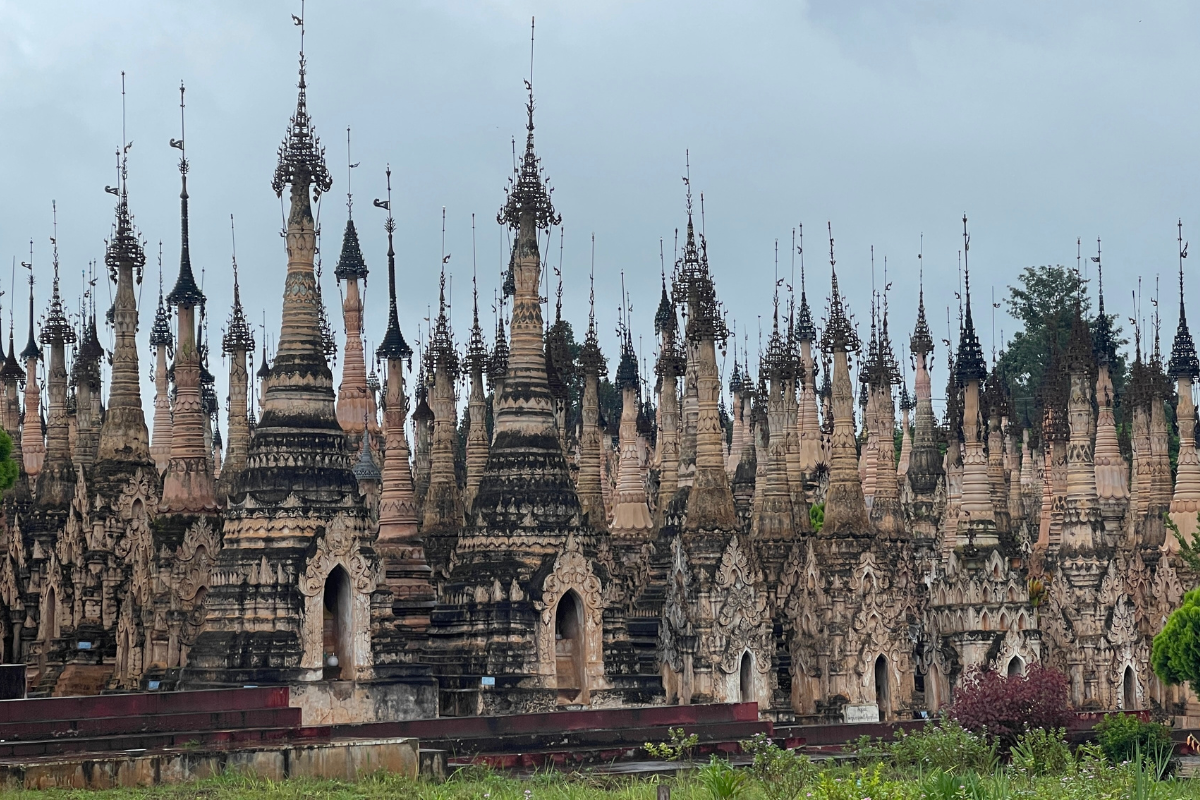
For architectural assets like Shan State’s Kakku Pagoda complex, and for traditional artworks and paintings such as the Nippataw paintings in and around Mandalay, these factors include physical threats such as pests, flooding and large fluctuations in temperature and relative humidity, as well as natural disaster. In the case of some handicrafts, such as the slate writing tablets from Bilu Island, Mon State, industrial impact on the environment has made it difficult to continue accessing necessary raw materials.
-
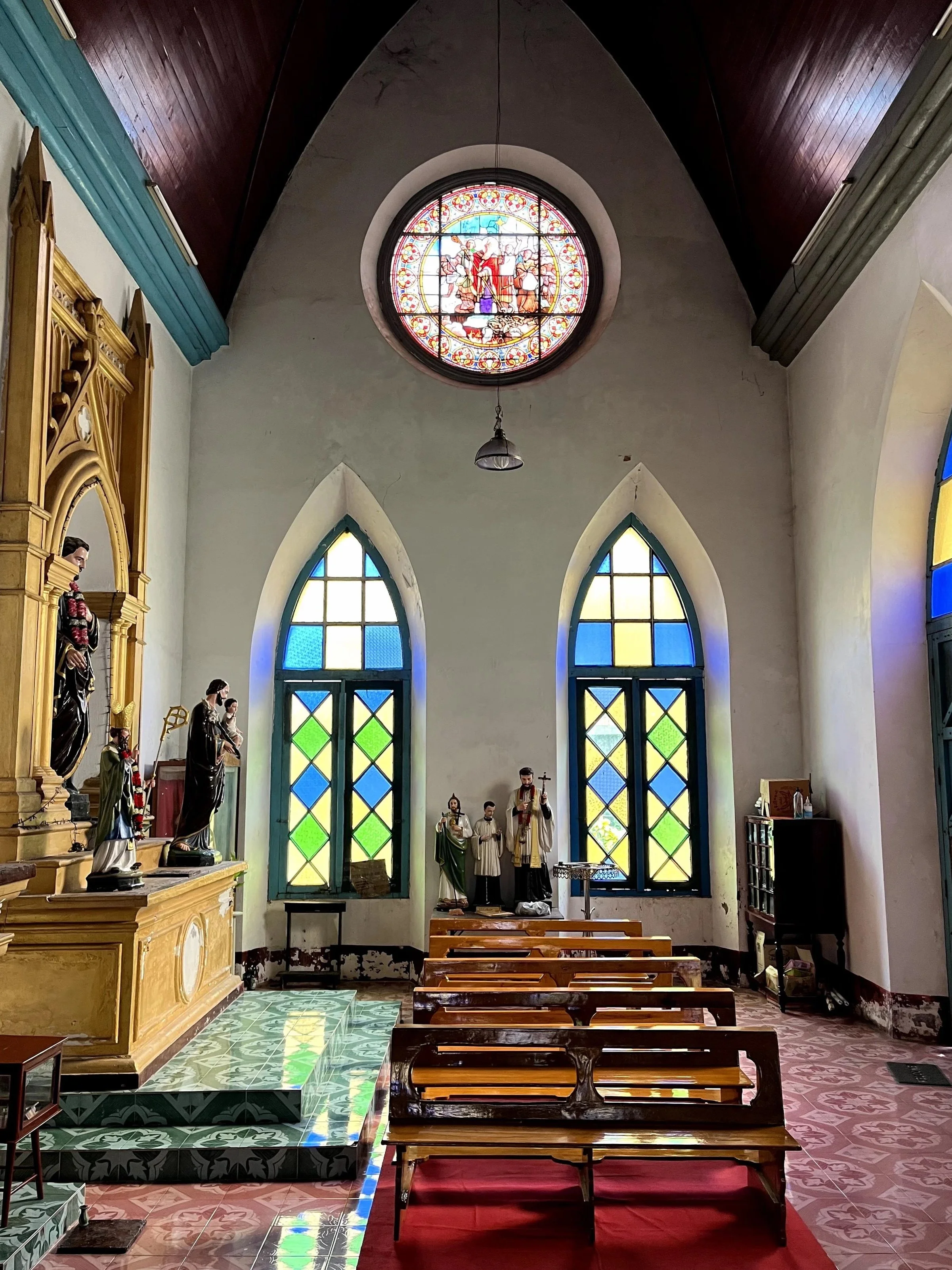
These include factors such as a lack of funding and support for preservation of architectural assets, the non-existence of policy or marketing support to producers of handicrafts, and the absence of any institutional preservation of creative practices such as traditional music and its instruments.
-
Cultural change, leading to (1) declining or absent local knowledge of, and interest in, the creative assets, and (2) loss of creative and technical expertise, and of their transmission methods. We found that this was especially significant for handicrafts, many of which face acute shortage of skilled artisans and difficulties in passing on creative knowledge - part of communities’ Intangible Cultural Heritage (ICH) - to the next generation, due to relocation of people and other contemporary challenges. One example is Mon State’s Ywalut tobacco pipes. Traditional artworks and paintings also face the lack of appreciation from younger generations in their local settings, threatening creative continuity.
Yet even where physical creation of some assets has disappeared, we found that local communities hold invaluable knowledge and stories about them, often passed down verbally. This highlights a crucial point: when our goal is to create a truly community-driven map, a simple list of assets isn't enough. The stories and verbal histories are essential for a complete understanding, especially where formal documentation is absent and local people are displaced.
““What we mapped are coordinates on a map. What we discovered are the roots of identity, stories that connect the past to the future.””
— Mon Team
Limitations
This mapping exercise encountered a few limitations that impacted its findings. While all tangible assets possess inherent value, it was not feasible to include every category in this iteration. For example, gastronomy, archaeological discoveries, and natural heritage sites were beyond the scope of this project.
Furthermore, a comprehensive exploration of all three selected regions was not possible. The focus was instead placed on communities that local creators and participants could safely access and engage with. On top of that, time constraints and travel restrictions necessitated the prioritization of specific areas over others.
These limitations are crucial to consider when evaluating the findings and concurrently indicate potential avenues for more in-depth future research.
““Mapping is the first step toward broader research on creative assets, and a way to learn from others.””
— Mandalay Team
Future Directions & Recommendations
We intend that our work in this project is built on in order to:
Extend and enhance participatory documentation and mapping of creative assets. For example, our participants would like to –
record additional creative assets in their region
monitor change in the condition and contexts of mapped creative assets
develop documentation further, including through additional digital tools
Build on the knowledge and skills that have been developed through the project, including through -
extending participatory mapping of creative assets, particularly by young people, through local training and development provided by this project’s participants
collaborating with local artists and stakeholders in order to deepen the documentation and care of creative assets
Advocate for the cultural values of and challenges to creative assets in Myanmar, including by
using painting, video and creative media to raise awareness
continuing to share findings with local and international experts
Develop further research and collaborations based on and inspired by this project, in order to strengthen Myanmar’s cultural identity.
““Protecting culture is protecting identity. Preservation needs both action and awareness.” ”
Share your insight with us!

Kindly contact us using the following form
if you’re interested in this project and want to involve in the future development of this project;
if you want to contribute information for more assets in similar or other regions;
if there is any misinformation from our research data.